Worlds Affairs
Trump’s $10B Bailout for Farmers | Trade War Impact & U.S. Agriculture Future
Explore the $10 billion bailout plan proposed by Donald Trump to rescue American farmers affected by the trade war. Learn how it could reshape rural America’s economy and 2025 politics. Trump farm bailout 2025, $10 billion farm aid, U.S. trade war impact, American farmers, agricultural relief
🌾 The Big Picture
Former President Donald Trump is reportedly considering a massive $10 billion bailout package to support American farmers struggling under the weight of trade tariffs and international supply disruptions. The proposal – aimed at cushioning losses caused by retaliatory tariffs from China and other global partners – highlights a political and economic crossroads for rural America. While Trump’s supporters see it as a bold move to “protect U.S. agriculture,” critics are calling it a political patch, not a permanent fix.
💰 What the Bailout Means
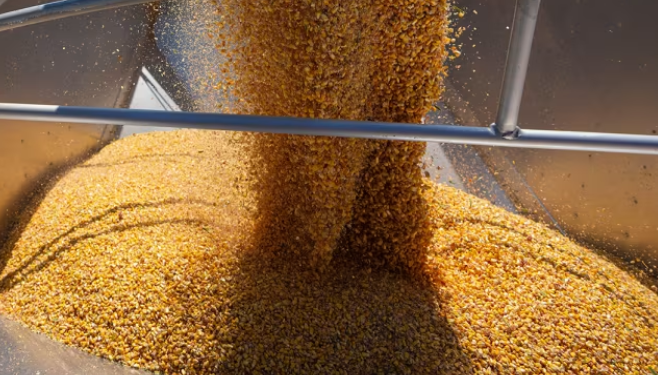
The plan would channel direct payments to corn, soybean, and dairy producers who’ve seen profit margins collapse over the past year. Many of these farmers were once considered the backbone of Trump’s voter base, especially across Iowa, Wisconsin, and the Midwest – regions that helped define the 2016 and 2020 elections. Analysts suggest this bailout is not just about economics – it’s about reestablishing political trust with America’s heartland. Farmers have been among the hardest hit by Chinese tariffs, which targeted billions of dollars in U.S. agricultural exports. If approved, the package would mark one of the largest farm relief efforts in U.S. history – potentially matching the scale of the 2018 USDA Market Facilitation Program, which also stemmed from Trump-era trade battles.
⚙️ Economic and Political Analysis
Economically, the bailout could inject short-term stability into the farm sector, but experts warn of long-term dependency risks. By propping up struggling producers, Washington may be delaying essential structural reforms – such as diversification and sustainable practices – that could better shield farmers from future shocks. Politically, this move could reshape Trump’s image ahead of another potential election run. The bailout signals empathy and economic intervention – two elements that appeal strongly to the rural vote. However, it also risks criticism for expanding federal spending and potentially distorting market competition. Trade economists point out that tariffs have already cost U.S. agriculture billions in export value. Even with government aid, farmers face record-high fertilizer prices, equipment costs, and climate-related losses. The real question remains – will this money reach the people who need it most?
🌍 Global Ripple Effect
Trump’s bailout discussion comes at a time when global trade tensions are heating up again. With the U.S. tightening tariffs on foreign goods and China redirecting its import channels, American farmers are caught in a policy crossfire. Experts predict ripple effects beyond U.S. borders – potentially pushing soybean prices and grain markets into volatile territory. Countries like Brazil and Argentina, which have ramped up exports to replace U.S. supply, could now face fresh competition if Trump’s plan boosts American output.
🧭 The Real Story: A Balancing Act
Ultimately, this bailout is a balancing act between politics and principle. Farmers want support, but many are wary of temporary band-aids. If executed strategically, the $10 billion aid could revitalize small-town economies and help stabilize global trade flows. But if driven primarily by electoral motives, it risks becoming just another headline in a long history of short-term agricultural politics.
🔗 Suggested links
- theEarthCurrent – Global Economy & Sustainability News
- USDA Market Facilitation Program Overview
- Reuters – U.S. Trade War Timeline
- CNBC – Agricultural Market Report
- Bloomberg – U.S. Farm Subsidy Data