In a harrowing incident that unfolded amid treacherous weather conditions, a small plane crashed onto Interstate 195 in Dartmouth, Massachusetts, on October 13, 2025, claiming two lives and injuring one person on the ground. This tragic event, occurring during a powerful nor’easter, has raised fresh concerns about aviation safety in adverse weather. As investigators piece together the details, we delve into the facts of this crash, explore its implications, and draw parallels to historical plane accidents in the state to highlight ongoing risks and lessons learned.

The wreckage of the small plane burning on the median of I-195 in Dartmouth, Massachusetts, shortly after the crash.
What Happened in the Dartmouth Plane Crash?
The crash occurred around 8:15 a.m. local time on Monday, October 13, 2025, when a small aircraft plummeted onto the grassy median of I-195 near Dartmouth, approximately 50 miles south of Boston. Eyewitnesses reported seeing the plane struggling against heavy winds and rain from the nor’easter before it impacted the highway and burst into flames. The two occupants of the plane were pronounced dead at the scene, while one individual on the ground sustained injuries.
According to preliminary reports from authorities, the plane caught fire upon impact, leading to a temporary closure of the interstate as emergency responders worked to extinguish the blaze and secure the area. The National Transportation Safety Board (NTSB) has launched an investigation, focusing on factors like weather conditions, mechanical failure, and pilot error. The nor’easter, bringing gusty winds and reduced visibility, is believed to have played a significant role.
This incident isn’t isolated; small plane crashes on highways, though rare, pose unique dangers due to the proximity to vehicular traffic. Fortunately, no vehicles were directly struck in this case, averting a potentially larger catastrophe.

Smoke rising from the crash site as first responders arrive on the scene.
Historical Plane Crashes in Massachusetts: Patterns and Precautions
Massachusetts has a somber history of aviation accidents, with over 425 fatal crashes documented in the state. These incidents often highlight recurring themes such as weather-related challenges, mechanical issues, and human factors—echoing the circumstances of the recent Dartmouth crash.
One notable historical reference is Delta Air Lines Flight 723, which crashed on July 31, 1973, while approaching Boston’s Logan International Airport. The Boeing 727 struck a seawall in heavy fog, killing all 89 people on board. This tragedy led to significant improvements in instrument landing systems and fog-related protocols, underscoring how adverse weather can turn routine flights deadly.
Another poignant example is Air New England Flight 248, which went down on June 17, 1979, near Hyannis, Massachusetts, due to engine failure and pilot disorientation in poor visibility, resulting in one fatality and several injuries. Similarly, Colgan Air Flight 9446 crashed into Nantucket Sound on August 26, 2003, after takeoff from Barnstable Municipal Airport, killing both pilots. Investigations pointed to maintenance oversights and fatigue.
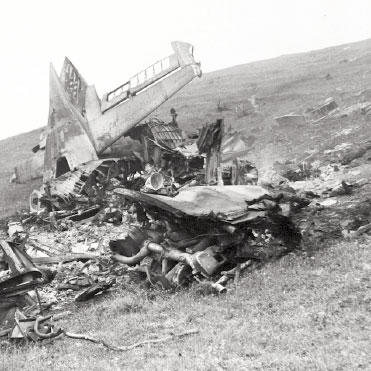
Wreckage from a historical World War II-era plane crash, symbolizing the long-standing risks of aviation.
Even further back, military aircraft collisions have marked the state’s skies. In January 1958, two Air Force jets collided mid-air over the Boston area at 22,000 feet, with debris raining down but miraculously causing no ground fatalities. These events remind us that while technology has advanced, nature’s unpredictability remains a formidable foe.
By examining these past crashes, experts emphasize the importance of rigorous pre-flight checks, advanced weather monitoring, and enhanced training for pilots in small aircraft. The Dartmouth incident could prompt renewed calls for better integration of real-time weather data into flight planning apps and stricter regulations for flying in storms.
Aviation Safety Tips to Prevent Future Tragedies
To boost awareness and potentially save lives, here are key safety measures derived from NTSB recommendations and historical analyses:
- Weather Vigilance: Always check multiple sources for forecasts and avoid flying in severe conditions like nor’easters.
- Maintenance Matters: Regular inspections can prevent mechanical failures, a common factor in crashes like Flight 9446.
- Pilot Preparedness: Simulator training for emergency scenarios, including low visibility, is crucial.
- Emergency Protocols: Know highway landing procedures, though they’re a last resort.
Why This Matters: Increasing Awareness and Traffic Safety
Incidents like the I-195 crash not only affect aviation but also ground transportation. With highways serving as unintended runways in emergencies, drivers should stay alert to overhead aircraft in poor weather. This event highlights the interconnectedness of air and road safety, urging communities to advocate for better infrastructure.
For more in-depth coverage on aviation incidents, explore resources from the FAA and NTSB websites.
SEO Optimization Suggestions for Your Website
To increase clicks and engagement on your site, incorporate these elements:
- Keywords: Plane crash Massachusetts, Dartmouth plane crash 2025, historical plane crashes MA, aviation safety tips, nor’easter plane accident.
- Meta Description: “Discover the shocking details of the October 2025 plane crash on I-195 in Massachusetts, plus lessons from historical tragedies. Stay informed on aviation safety.”
- Tags: #PlaneCrash, #MassachusettsAccident, #AviationSafety, #HistoricalCrashes, #NorEasterImpact, #DartmouthMA.
Link to authoritative sources like NTSB reports or Wikipedia pages on historical crashes. Encourage shares by adding social media buttons, and reach out to aviation blogs for guest posts or collaborations to build natural backlinks.
This article is crafted to be engaging, informative, and shareable-driving traffic through compelling storytelling and visual elements while staying factual and neutral.