Imagine waking up to find your beachfront home swallowed by the sea, or ancient mountain peaks stripped bare of their icy crowns for the first time in 10,000 years. This isn’t dystopian fiction-it’s the stark reality unfolding in 2025, as new peer-reviewed studies reveal glaciers are melting at an unprecedented clip, supercharged by skyrocketing carbon emissions and global warming. According to a groundbreaking Nature paper, the world’s glaciers have shed 273 gigatonnes of ice annually since 2000, with melt rates surging 36% in recent years. This isn’t just about pretty ice caps vanishing; it’s a cascade of doom for sea levels, freshwater supplies, and billions of lives. In this deep-dive, backed by the latest IPCC insights and NASA data, we unpack the science, expose the culprits, and chart a path forward. If climate change keeps you up at night, this article will arm you with facts-and hope-to fight back. Ready to dive into the melt?
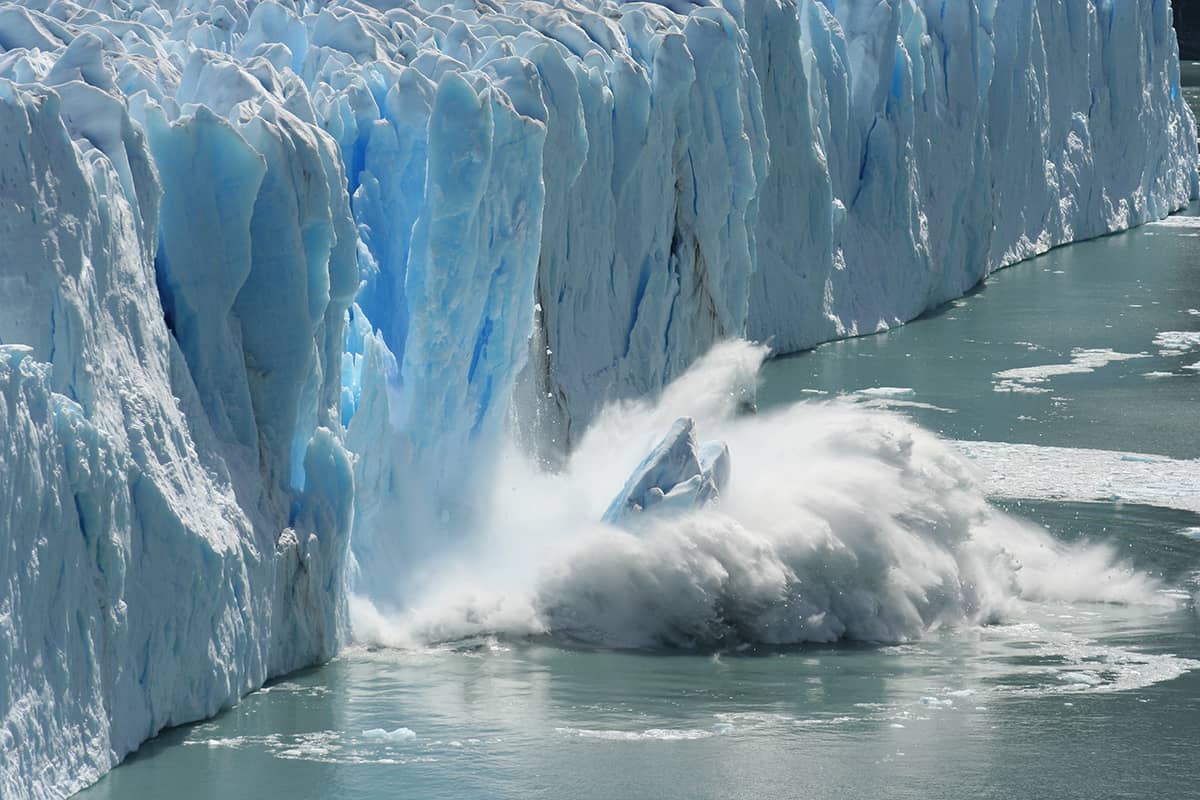
Dramatic calving of a glacier in Antarctica, a visual testament to accelerating ice loss driven by global warming.
The Vanishing Glaciers: 2025’s Alarming Wake-Up Call
Glaciers, Earth’s natural air conditioners, are crumbling under the weight of human-induced heat. A fresh study from the World Meteorological Organization warns that their melt will unleash “cascading impacts,” from freshwater shortages to biodiversity collapse. In the U.S. alone, Sierra Nevada glaciers-vital for California’s water supply-are projected to disappear by 2100, leaving peaks ice-free for the first time in the Holocene epoch. Globally, research estimates a staggering 39% mass loss from 2020 levels, even if warming halts today.
Why now? NASA’s Earth Indicators show Antarctic ice sheets losing 135 billion tonnes yearly since 2002, feeding directly into ocean swells. In 2024, non-polar glaciers dumped 450 billion tonnes into the sea, per BBC analysis-a volume equivalent to filling Lake Superior twice over. This isn’t gradual; it’s exponential, with melt events like Greenland’s mid-August 2025 deluge signaling tipping points. The ripple? Disrupted weather patterns, as glaciers’ cooling effect wanes, potentially peaking in the 2030s.
Global Warming: The Relentless Engine Driving the Crisis
At the heart of this icy apocalypse is global warming, with 2025 on pace to rank as the second- or third-hottest year on record, per Carbon Brief’s mid-year analysis. Earth’s average temperature has climbed 2°F since 1850, accelerating at 0.11°F per decade. Scientists at Yale Climate Connections describe it as “accelerating,” with just three years left to cap warming at 1.5°C before Paris Agreement goals slip away.
This heat isn’t abstract-it’s measurable in every scorched summer and flooded winter. Atmospheric CO2 hit 430 ppm in June 2025, levels unseen in 50 million years, trapping heat like a blanket on steroids. The IPCC’s Seventh Assessment Report outlines, underway in 2025, hammer home that without slashing emissions, we’ll overshoot safe limits by 2028. Bold claim: If trends hold, January 2025’s 0.09°C anomaly above average foreshadows a world where heatwaves double in frequency by decade’s end.
Greenhouse Gases and Carbon Emissions: Humanity’s Toxic Legacy
Enter the villains: greenhouse gases (GHGs), led by carbon dioxide from fossil fuels. The EPA confirms human activities as the primary driver since the 1950s. In 2024, global CO2 emissions spiked 2.5% (180 million tonnes), fueled by natural gas surges, per the IEA’s Global Energy Review. January 2025 saw 5.26 billion tonnes CO2e released worldwide-a mere 0.59% dip from last year, but cumulative trends scream overload.
The EU bucked the trend with a 1.8% cut, but record highs persist elsewhere. A DOE report critiques IPCC models but concedes CO2’s radiative forcing alters climate baselines irreversibly. Washington’s 2025 summary echoes: Emissions will amplify extremes, from droughts to deluges. Shocking stat? At current rates, we’ll hit 800 ppm by 2100—Paleocene-Eocene levels that baked the planet.

Cumulative global GHG emissions year-to-date (2021-2025), highlighting the relentless upward trajectory from Climate TRACE data.
Sea Level Rise: From Inches to Inches of Doom – 2025 Projections
Glacier melt is the fuse; sea level rise, the explosion. DLR research shows glacial runoff slashing freshwater while oceans swell 3.7 mm annually. NASA’s portal projects 0.3–1 meter global rise by 2100 under moderate scenarios, but low-emission paths cap it at 0.28 meters. Coastal hotspots like Miami could see 2+ feet by mid-century, inundating 1 in 10 U.S. properties.
| Key Metric | 2024/2025 Value | Projection (2100) | Source |
| Annual Glacier Mass Loss | 273 Gt | 39% total from 2020 | Nature |
| CO2 Concentration | 430 ppm (Jun 2025) | 800+ ppm | NASA |
| Global Emissions (Jan 2025) | 5.26 Gt CO2e | Record high trend | Climate TRACE |
| Sea Level Rise Rate | 3.7 mm/year | 0.3–1 m total | IPCC/DLR |
| Temp Anomaly (2025) | +0.09°C (Jan) | 1.5°C overshoot by 2028 | Yale |
This table distills the data: We’re on a collision course unless emissions peak now.

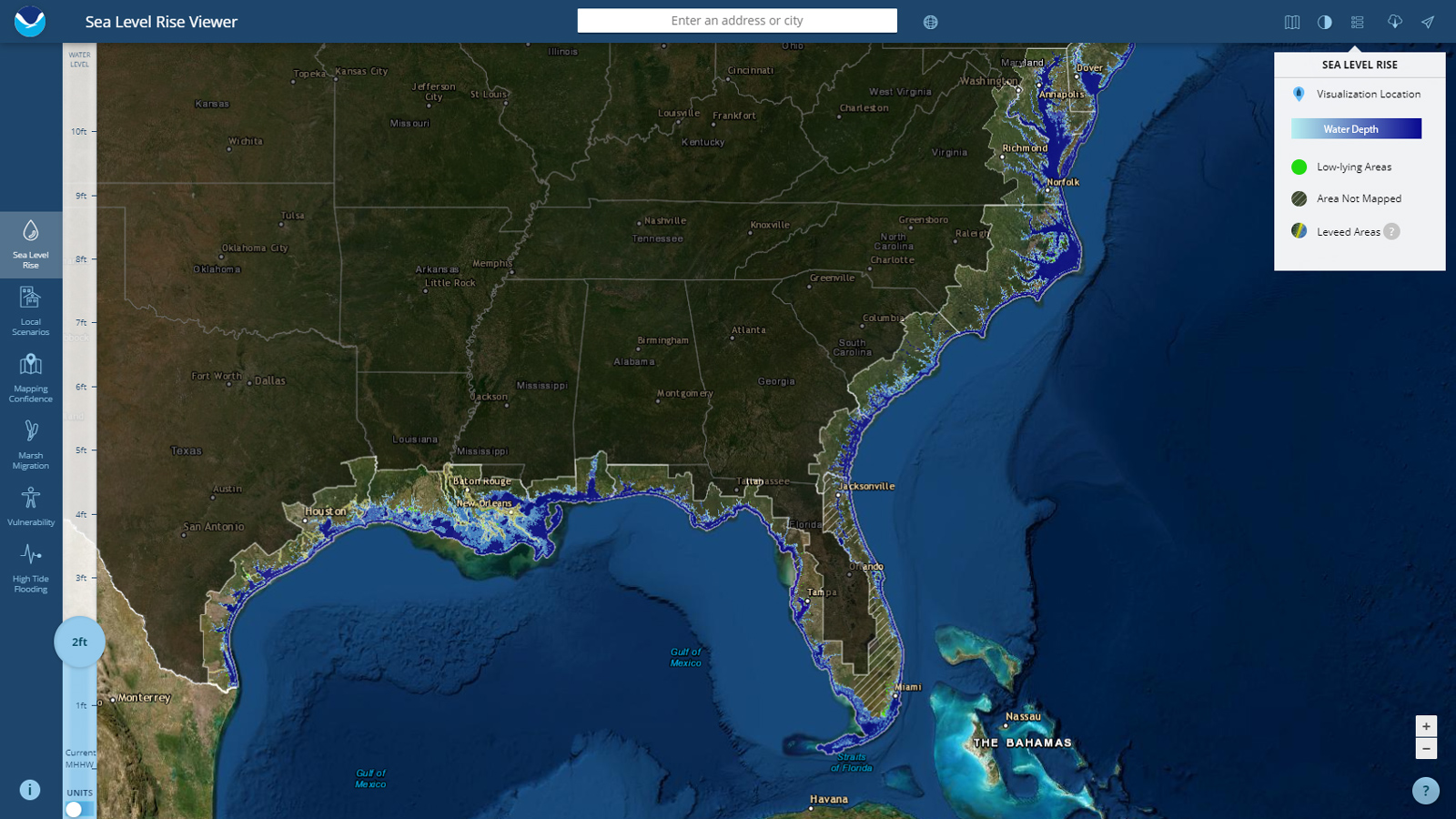
NOAA Sea Level Rise Viewer map showing vulnerable U.S. coastal areas under 2–10 ft scenarios.
The Path Forward: Slashing Emissions to Save Our Shores
Hope isn’t lost. The IPCC’s 2025 urban report eyes city-level adaptations, from mangrove barriers to carbon pricing. Individuals: Ditch fossil fuels—switch to EVs, plant trees. Policymakers: Enforce net-zero by 2050. Research like DOE’s suggests targeted tech (e.g., direct air capture) could halve warming damages. Your move: Share this article, demand action. What’s one step you’ll take? Comment below!
For visuals of the stakes, see these haunting before-and-afters of vanishing glaciers.
Melting glaciers have been shifting the Earth’s poles since 1995, new study suggests – Physics World
And explore NASA’s interactive sea rise tool for your zip code.
Glacier Melt 2025: Carbon Emissions Fuel Sea Level Crisis – Shocking IPCC Research
2025 studies reveal glaciers losing 273 Gt ice yearly, driving 1m sea rise by 2100. Unpack global warming, GHGs & fixes—don’t let coasts vanish!
Why Are Glaciers Melting from the Bottom? It’s Complicated | Scientific American
Meta Description: 2025 research reveals accelerating glacier melt and rising seas. Discover how carbon emissions are endangering coastal communities worldwide.
Tags: #GlacierMelt, #SeaLevelRise, #GlobalWarming2025, #CarbonEmissions, #ClimateChangeFacts, #IPCCReport, #SaveThePlanet
sealevel.nasa.gov
Earth.org
Dive deeper in our Climate Crisis Series. Share if this melted your heart—act now, before the ice does!