Discover the stunning Erra Matti Dibbalu (Red Sand Hills) in Visakhapatnam – now on the UNESCO Tentative List! Explore its ancient origins, natural beauty, and must-know travel tips for visiting this rare geological marvel in India
Focus Keyword:
Erra Matti Dibbalu
- Erra Matti Dibbalu Visakhapatnam
- Red Sand Hills Vizag
- UNESCO Tentative List India 2025
- Places to visit near Visakhapatnam
- Erra Matti Dibbalu history
- Natural heritage sites in Andhra Pradesh
Tags:Erra Matti Dibbalu, UNESCO Tentative List, Visakhapatnam Tourism, Red Sand Hills, Incredible India, Geo Heritage, Travel Blog India, Natural Wonders
Category:
Travel / Heritage / India
🌋 Erra Matti Dibbalu – India’s Red Sand Hills Join UNESCO’s Tentative List
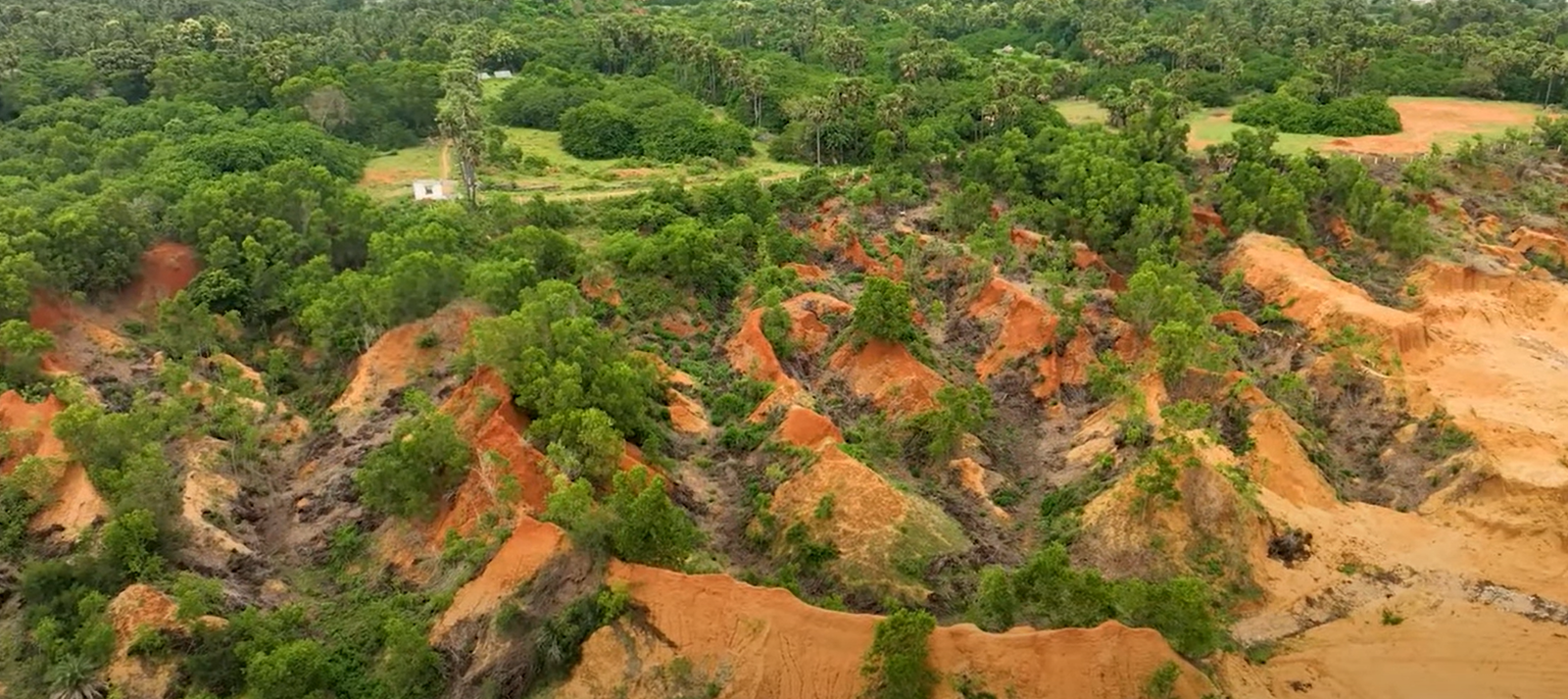
Tucked away along the scenic coastline of Visakhapatnam (Vizag) lies a surreal landscape that looks straight out of Mars — the Erra Matti Dibbalu, meaning “Red Sand Hills”. Recently added to the UNESCO Tentative List of World Natural Heritage Sites, this geological wonder is one of India’s most extraordinary natural formations.
Nicknamed “Vizag’s Grand Canyon”, these fiery red dunes glow beautifully under the sun, offering a mesmerizing contrast against the blue Bay of Bengal.
🏛️ The Ancient Story Behind the Red Sand Hills
The origin of Erra Matti Dibbalu dates back 20,000–50,000 years, formed during the Late Quaternary period by a combination of wind, water, and sea-level changes. The rich red color comes from oxidized iron minerals, giving the dunes their signature hue. British geologist William King first documented these formations in 1886, calling them one of the rarest coastal geomorphic features in India. In 2016, the Geological Survey of India (GSI) declared the site a National Geo-Heritage Monument.
Today, scientists study these dunes to understand ancient monsoon patterns, sea-level rise, and climate change – making it both a natural beauty and a geological treasure.
🌏 UNESCO Tentative List Recognition
In August 2025, Erra Matti Dibbalu officially entered the UNESCO Tentative List under the Natural Heritage category – a vital step toward full World Heritage status. This recognition aims to bring global attention and conservation support to the fragile dunes, which are threatened by unregulated tourism, pollution, and erosion. The Andhra Pradesh government, along with the Geological Survey of India, is now developing stricter protection measures and sustainable tourism plans.
💎 Why Erra Matti Dibbalu Deserves Global Attention
- 🌍 A Living Geological Timeline: The layers of red and brown sand record thousands of years of Earth’s climatic changes.
- 🧠 Educational Value: Ideal for environmental and geological research.
- 📸 Tourist Attraction: A must-visit spot for photographers, travelers, and nature lovers.
- 🌱 Rare Formation: Similar red coastal dunes exist only in parts of Sri Lanka and Tamil Nadu.
🚶♀️ How to Visit Erra Matti Dibbalu
- Location: About 15 km from Visakhapatnam city, near Bheemunipatnam Beach.
- Best Time to Visit: October to February — when the sunlight enhances the red glow.
- Travel Tips:
- Avoid climbing unstable dunes.
- Visit early morning or sunset for the best visuals.
- Do not litter or damage formations.
🧩 Fun Facts About Erra Matti Dibbalu
- The site covers around 1,500 acres of coastal land.
- The erosion patterns resemble miniature canyons and gullies.
- Several Tollywood and Bollywood films have used it as a shooting location.
- The site serves as a natural laboratory for studying coastal geomorphology.
🔗 Internal Linking
- “Top Hidden Natural Wonders in India You Must Explore”
- “Best Places to Visit in Visakhapatnam for Nature Lovers”
- “List of UNESCO Heritage and Tentative Sites in India (2025)”
✨ Featured Snippet Ideas
“Visakhapatnam’s glowing red dunes — Erra Matti Dibbalu – have entered UNESCO’s Tentative List! Discover how this prehistoric landscape became India’s newest natural heritage gem.”
URL:
erra-matti-dibbalu-unesco-tentative-list-visakhapatnam