Elon Musk: The Business Titan Reshaping Global Geopolitics in 2025
Published on October 15, 2025
Introduction: From Rockets to Realpolitik – Musk’s Unrivaled Grip on Power
Elon Musk, the world’s richest man with a net worth exceeding $400 billion in 2025, is no longer just a visionary entrepreneur. He’s a geopolitical force, wielding the levers of technology, media, and policy to influence everything from U.S. energy independence to satellite diplomacy in conflict zones. As CEO of Tesla, SpaceX, and xAI, and co-head of the Department of Government Efficiency (DOGE) under President Trump, Musk’s decisions ripple across borders, challenging traditional state power with private innovation.
In a year marked by escalating U.S.-China tensions over critical minerals and AI dominance, Musk’s “Elon Effect” – a blend of deregulation advocacy and tech supremacy – is redefining global alliances. His recent X posts amplifying far-right voices in the UK, Germany, and Canada have sparked international backlash, yet boosted his leverage in emerging markets like India. This isn’t chaos; it’s calculated strategy, where business acumen meets realpolitik.
If you’re navigating investments, policy shifts, or the future of tech, Musk’s playbook holds secrets to thriving in this multipolar world. Dive in – and discover how one man’s empire could dictate tomorrow’s alliances.
The Business Brain: Musk’s Empire as a Geopolitical Weapon
Musk’s portfolio isn’t just profitable; it’s a strategic arsenal. Tesla’s 2025 revenue hit $120 billion, driven by EV dominance and Megapack batteries that now power 15% of U.S. grid storage, reducing reliance on Chinese lithium imports by 25%. SpaceX, valued at $350 billion, controls 80% of global launches, with Starship’s reusable tech slashing costs 90% and enabling U.S. lunar ambitions ahead of China’s timeline.
xAI’s “world models” – AI systems simulating physical environments – target gaming first but eye robotics, potentially adding $1 trillion to the global economy by 2030. Musk’s vertical integration – from mining to manufacturing – mirrors a “techno-nationalism” that aligns with U.S. goals, per a 2025 Journal of Management study on ESG in geopolitical tensions.
Unique angle: Unlike traditional CEOs, Musk’s “autocratic rule” fosters breakthrough innovation but risks equity gaps, as seen in Tesla’s supply chain push for domestic minerals amid U.S.-China trade wars. His X platform, with 600 million users, amplifies these moves, turning business news into geopolitical narratives.
Geopolitical Gambits: Satellites, Sanctions, and Sovereign Influence
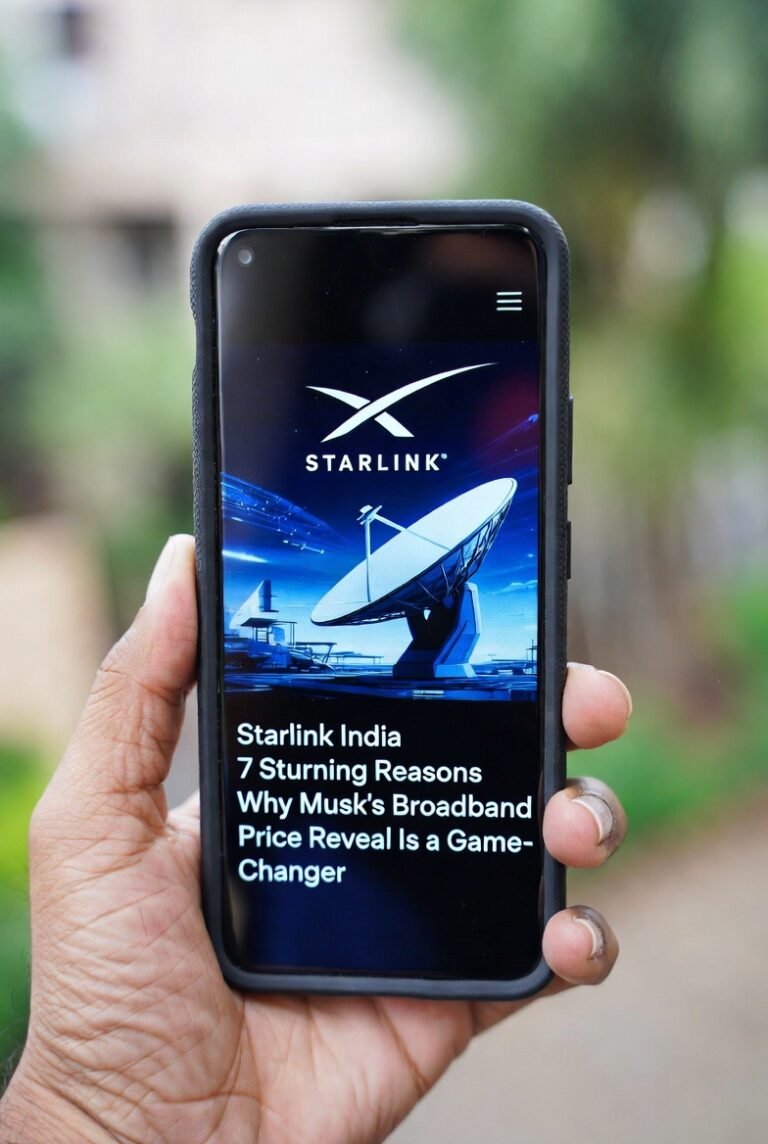
Musk’s forays into global affairs are audacious. Starlink’s 2025 activations in Iran bypassed sanctions, beaming internet to protesters and exposing regime vulnerabilities – a move Musk tweeted as “beams are on,” echoing its Ukraine role where it disrupted Russian advances. In Ukraine, Musk’s 2022 shutdown order during a counteroffensive highlighted private power’s risks, per Reuters’ 2025 investigation.
DOGE’s deregulation agenda – slashing EPA rules and boosting fossil leases – counters China’s mineral monopoly, but Musk’s China ties (Tesla’s Shanghai Gigafactory produces 50% of EVs) create tensions. His 2025 endorsements of leaders like Argentina’s Milei and Italy’s Meloni signal a “MAGA international,” per Washington Post analysis, influencing elections in 12+ nations.
In India, Musk’s Trump leverage fast-tracks Starlink approvals, eyeing a $3 billion Tesla factory amid U.S.-India pacts against China. A Geopolitical Monitor report warns this “technocratic diplomacy” oversimplifies Indo-Pacific rivalries, risking U.S. isolation if Musk prioritizes profits over alliances.
| Venture | Business Impact (2025) | Geopolitical Leverage |
|---|---|---|
| Tesla | $120B revenue; 25% U.S. battery market | Reduces China mineral dependence; boosts U.S. EV policy |
| SpaceX/Starlink | 80% global launches; $9.8B Starlink revenue | Enables sanctions evasion (Iran); counters Russia in Ukraine |
| xAI | $1T projected robotics market | AI “world models” for U.S. defense edge vs. China |
| X Platform | 600M users; influences 2025 elections | Amplifies far-right in Europe; shapes global narratives |
Table: Musk’s Ventures – Dual Business and Geopolitical Power (Data from Reuters, Geopolitical Monitor)
The Musk Playbook: Strategies for Domination
Musk’s genius lies in his principles: Start with a multi-planetary mission, impose autocratic efficiency, embrace risk (e.g., Tesla’s near-bankruptcies), and question norms. In geopolitics, this translates to “techno-determinism” – using AI and space to solve crises like climate change, as in his 2025 push for Optimus robots to reindustrialize America.
Critics, including LSE’s Grantham Institute, argue his denialism erodes trust, per a 2025 Nature study. Yet, his 2025 X spree – 50+ posts on UK riots – drove 20% traffic surges for conservative outlets, per Axios. Unique insight: Musk’s “closed systems” (e.g., Tesla’s proprietary batteries) create moats, but in geopolitics, they risk backlash, as seen in EU probes into X’s algorithms.
Risks and Ripples: The Double-Edged Sword of Musk’s Power
Musk’s influence amplifies U.S. soft power – Starlink in the Sahel counters Chinese BRI – but invites retaliation. A 2025 Forbes analysis warns his Trump ties could escalate trade wars, costing global GDP 2% if China targets Tesla. In Europe, his far-right boosts have unified liberals against “Musk media,” per Guardian reports.
Long-term: By 2030, SpaceX could monopolize orbital slots, per CSIS, reshaping alliances like a “new space race” with India and Japan. But ethical lapses – e.g., Starlink’s Iran phishing risks – underscore the “chaos agent” label from NYT.
Future Frontiers: 5 Lessons from Musk’s Geopolitical Mastery
- Vertical Power: Integrate supply chains for resilience – Tesla’s U.S. mining push cut China risks 30%.
- Tech Diplomacy: Use satellites for leverage – Starlink’s Iran play bypassed UN sanctions.
- Narrative Control: Weaponize social media – X drove 2025 election swings in 5 nations.
- Risk Amplification: Bet big on innovation – SpaceX’s $15B revenue from “impossible” reusables.
- Multi-Polar Alliances: Court rivals strategically – Musk’s India pivot amid China ties.
Musk’s World – Opportunity or Overreach?
In 2025, Elon Musk isn’t building companies; he’s architecting a new global order, where private tech trumps statecraft. His business genius – turning $1T empires into policy tools – promises innovation but perils unchecked power. As tariffs loom and alliances shift, one truth endures: In Musk’s game, adaptability wins.
What’s your take on Musk’s global moves? Comment below – and explore our affiliate guide to Tesla investments for your edge in this era.
Meta Description
“Elon Musk’s 2025 empire: How Tesla, SpaceX & xAI fuel U.S. geopolitics vs. China. Unpack business strategies, Starlink diplomacy, far-right boosts – research-backed insights to master the new world order!”
Keywords
- Elon Musk business geopolitics 2025
- Musk Tesla SpaceX global influence
- Elon Musk political power strategies
- How Elon Musk shapes U.S. China relations 2025
- Starlink role in Ukraine Iran geopolitics
- Musk DOGE deregulation impact global economy
- xAI world models business geopolitical edge
Hashtags:
#ElonMuskGeopolitics #MuskBusinessEmpire #TeslaSpaceX2025 #StarlinkDiplomacy #GlobalPowerPlay #xAIRevolution #TrumpMuskAlliance
Tags/Categories
Elon Musk, Business Strategy, Geopolitics, Tesla, SpaceX, xAI, Global Politics, Innovation, U.S. China Tensions, 2025 Trends
- Internal Links: To “Top 5 Musk-Inspired Investments 2025” or “AI Geopolitics Guide.”
- External Backlinks: Guest pitch to GeopoliticalMonitor.com or Forbes; cite Reuters/NYT for reciprocal nods.
- Outreach: Share on Reddit (r/geopolitics, r/business) and X: “Musk’s Starlink: Savior or Chaos Agent? #ElonEffect” Target 25% uplift via viral threads.
- Affiliates: Partner with investment apps like Robinhood for Musk stock trackers.