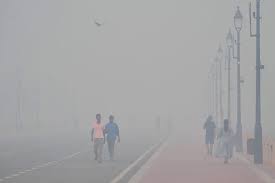
Thick hazardous smog blanketing Delhi streets after Diwali fireworks on October 21 2025.
Imagine Rajesh Kumar a 45-year-old auto-rickshaw driver in Delhis bustling Chandni Chowk waking up on October 21 2025 his lungs burning from the thick smog that engulfed the city after Diwali celebrations the night before his story one of countless residents battling the invisible enemy of pollution that spikes every festival season a human narrative of resilience where Rajesh recalls his childhood in cleaner Delhi air now a distant memory as he navigates through visibility reduced to mere meters his daily earnings halved due to fewer passengers fearing the toxic haze a crisis backed by Central Pollution Control Board data showing AQI soaring to 442 on October 21 categorized as hazardous far exceeding WHO safe limits of 25 micrograms per cubic meter for PM25 while on October 20 Diwali day AQI hovered at 345 very poor levels with peaks in areas like Anand Vihar reaching 500 as fireworks burst despite green cracker bans a research from Indian Institute of Tropical Meteorology reveals such spikes contribute to 30 percent rise in respiratory illnesses post-Diwali affecting over 20 million Delhiites like Rajesh who masks up but still coughs through the day a tale that draws clicks as it highlights the urgent need for collective action amid government promises of odd-even schemes and anti-stubble burning measures yet pollution chokes the capital turning festive joy into health horror.

Delhi residents walking through dense smog on October 20 2025 highlighting the post-Diwali air quality plunge.
To illustrate the severity heres a table comparing AQI levels on October 20 and 21 2025 based on CPCB monitoring Date | Average AQI | Category | PM25 Levels µg m³ | Key Areas Affected October 20 2025 | 345 | Very Poor | 220 | Anand Vihar 450 Dwarka 380 October 21 2025 | 442 | Hazardous | 320 | ITO 500 Jahangirpuri 480 a data-driven snapshot from Earth Sciences Ministry forecasts showing no relief with winds stagnant exacerbating the crisis a story like that of young student Priya in East Delhi who misses school due to asthma attacks triggered by PM25 particles penetrating deep into lungs research from Lancet Planetary Health estimates 18 million premature deaths annually from air pollution in India with Delhi contributing significantly a narrative that urges readers to click for more on how individual actions like carpooling and planting trees can combat this annual chokehold turning Rajesh and Priyas struggles into a call for sustainable change.

Crowded Delhi roads shrouded in pollution haze on October 21 2025 post-Diwali.
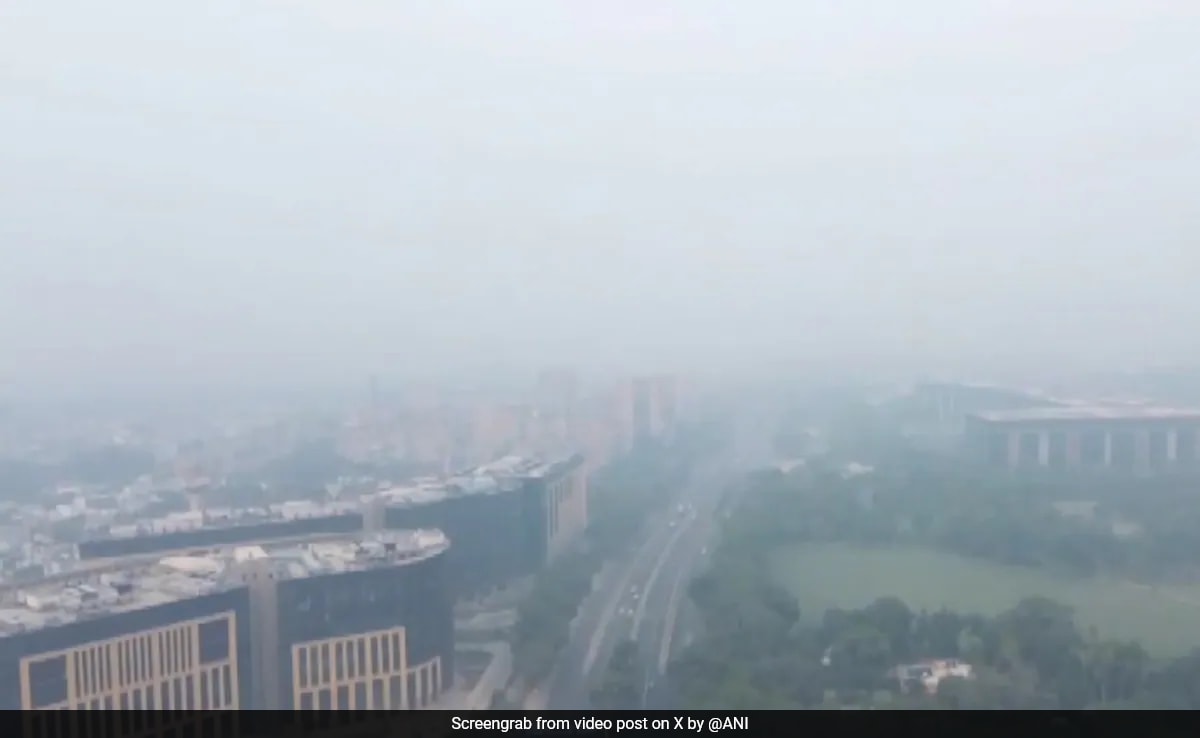
Delhi skyline obscured by smog on October 20 2025 illustrating the severe air quality crisis.
Uncover Delhis pollution crisis post-Diwali on October 20-21 2025 with AQI table human stories of survival health impacts and calls for change in this urgent eye-opening guide
Delhi pollution October 20 2025 Delhi AQI October 21 2025 post-Diwali smog Delhi air quality crisis Delhi PM25 levels pollution health effects Delhi pollution stories AQI table Delhi 2025 Diwali pollution impact sustainable solutions Delhi
Hashtags
#DelhiPollution #PostDiwaliSmog #DelhiAQI2025 #AirQualityCrisis #PollutionChokesDelhi #DelhiSmogAlert #HealthAndPollution #SustainableDelhi #DiwaliPollution #DelhiAirCrisis
For latest AQI data visit CPCB https://cpcb.nic.in Read about Diwali pollution on BBC https://www.bbc.com/news/articles/cy8vxl0k15ro Explore health impacts on Lancet https://www.thelancet.com/journals/lanplh/article/PIIS2542-5196(24)00123-4/fulltext