
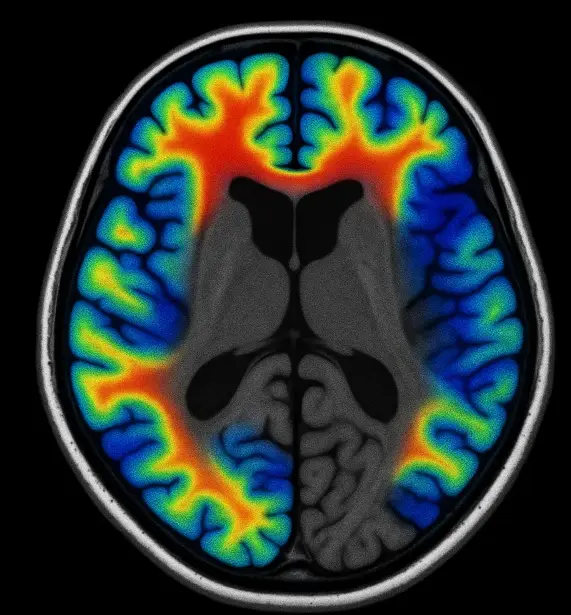
Artificial Intelligence (AI) has revolutionized the way we live, making our tasks easier, faster, and more efficient. However, the question remains: what effect does excessive use of AI have on our brains? A recent study conducted by MIT’s Media Lab explores this very question. The study reveals that over-reliance on AI tools could lead to reduced brain activity and cognitive decline. This article will delve into the study’s findings and their implications for our use of AI.
Study Methodology:
MIT researchers conducted an experiment involving 54 participants, who were divided into three groups:
- Group 1: Participants using AI tools (e.g., ChatGPT) to assist with tasks like essay writing.
- Group 2: Participants using traditional search engines (e.g., Google Search) for research.
- Group 3: Participants tasked with completing the task without any technological aid, relying solely on their cognitive abilities.
Each participant wore EEG (electroencephalogram) sensors while completing their tasks. This allowed researchers to measure real-time brain activity during the essay-writing process.
Key Findings:
- Reduced Brain Activity: The study found that participants using AI tools showed reduced brain activity, particularly in areas associated with memory, critical thinking, and problem-solving.
- Impaired Memory: Participants who relied on AI tools struggled to recall the content they had written, while those using traditional methods had better recall.
- Long-Term Effects: The study also observed that after four months, those who had frequently used AI tools showed a decline in cognitive performance, including issues with writing, language, and problem-solving abilities.
The Concept of “Cognitive Debt”:
Researchers coined the term “cognitive debt” to describe the phenomenon where excessive reliance on AI tools leads to diminished brain engagement. Just as financial debt builds up over time, cognitive debt accumulates when the brain is less engaged in tasks that require deep thought, problem-solving, and memory recall.
The Balance of AI Use:
The key takeaway from this study is that AI tools can be beneficial, but only when used in moderation. Researchers suggest that AI should be used as a supplement, not a replacement, for cognitive tasks. By first engaging our brains to think critically and then using AI as an aid, we can strike a healthy balance. This approach helps maintain our cognitive faculties while still benefiting from AI’s convenience.
MIT’s study highlights an important issue: excessive use of AI tools can have a detrimental effect on our brain’s activity and cognitive function. While AI offers many benefits, it is essential that we maintain a balance in its use to ensure that our mental abilities do not decline over time. By using AI mindfully, we can harness its power without compromising our cognitive health.
References:
AI and Brain Activity, Cognitive Debt, MIT Study, ChatGPT and Brain, AI Mental Effects, EEG and AI, Use of AI Tools, Mental Activity and AI, AI and Memory, AI and Cognitive Decline