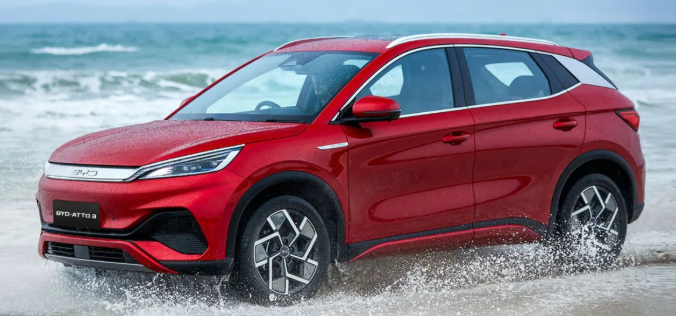
China’s electric vehicle (EV) industry is currently in the throes of a fierce price war. What began as intense competition in the domestic market is now spilling over into global markets, putting pressure on automakers worldwide. In 2025, Chinese EV makers are offering steep discounts and aggressive incentives to capture share, risk profitability, and reshape how the world perceives the cost of electric mobility.
This article explores how this price war started, what forces are driving it, the risks and consequences for automakers, and how the global EV market may respond.
The Roots of China’s EV Price War
Several interlocking factors have fueled the aggressive discounting strategies among Chinese EV makers:
1. Oversupply and Capacity Overhang
In recent years, many Chinese manufacturers built excess production capacity, anticipating insatiable demand. But when demand growth plateaued, excess inventory accumulated — compelling firms to slash prices to move stock. [China Sourcing News] China Sourcing News
2. Competitive Pressure from Tesla
Tesla’s move to cut prices in China set off a chain reaction. Domestic brands felt compelled to match the cuts to remain competitive, initiating cascading discounts across the sector. [Asian Morning] Asian Morning
3. Ambition to Export and Push Global Presence
To avoid domestic saturation, many Chinese EV makers are pushing into overseas markets. Aggressive pricing helps break into markets abroad but also pressures margins. [KTVZ / CNN summary] KTVZ
4. Local Government Incentives and Subsidies
Some local governments in China offer incentives to support the auto industry, encouraging firms to reduce margins and compete on volume.
5. “Involution” Pressure and Policy Signals
Chinese leadership has warned against “involution” — a cycle of diminishing returns caused by excessive internal competition. Some automakers are under pressure to rationalize pricing. [China Strategy analysis] China Strategy
How the Price War Looks in Practice
Deep Discounts and Financing Offers
Major brands are offering heavy discounts, zero-interest financing, and cash subsidies to lure price-sensitive buyers. Some models have seen price cuts of 10% or more. [Reuters on extended incentives] Reuters
Margin Compression and Profit Stress
While sales volumes rise, profit margins are under severe strain. Some automakers report that discounted sales are barely covering fixed costs.
Supply Chain Pressure
To maintain lower vehicle prices, EV makers are squeezing their suppliers for cost reductions, creating stress in the broader auto parts industry. [CNN-derived reporting] KTVZ
Competitive Conflict Among Brands
At forums and industry events, executives have openly accused rivals of unfair practices and discounting tactics — a sign of how heated the competition has become. [CarNewsChina on BYD vs Geely] CarNewsChina.com
Global Spillover: Where the Price War Spreads
Because Chinese EVs are competitively priced, some models are already undercutting local alternatives in overseas markets. This has multiple implications:
- Market Disruption in Emerging Economies
In Southeast Asia, Latin America, and parts of Africa, lower Chinese EV prices are making them attractive imports, potentially displacing local or established brands. [FT coverage] Financial Times - Tariff and Trade Tensions
Some countries are responding with tariffs or stricter import rules to protect domestic automakers. The influx of ultra-cheap EVs raises questions of fairness. - Perception Shifts
As more affordable EV options emerge globally, consumer expectations around pricing may reset. - Brand Reputation Risks
Global buyers may worry about after-sales support and warranty servicing for lower-cost models exported from China. This is noted as one of the concerns prompting export license rules in China. [Reuters] Reuters
Risks, Alerts, and Regulatory Response
1. Unsustainable Business Models
If competition continues unchecked, weaker players may be driven out, leading to consolidation or even bankruptcy for many small EV brands.
2. Quality Sacrifice
Cutting costs deeply may lead to compromises in materials, components, or safety — potentially damaging brand credibility.
3. Policy Intervention
Chinese regulators have already signaled intent to curb irrational competition — including stronger oversight, price monitoring, and supporting “healthy” industry development. [Reuters on regulation pledge] Reuters
4. Export Licensing Moves
China plans to require EV export permits starting in 2026 to regulate overseas pricing and ensure brand integrity abroad. [Reuters] Reuters
How Other Markets Might Respond
- Tariffs & Trade Barriers
To protect domestic automakers, many countries may respond with import restrictions, duties, or anti-dumping investigations. - Strategic Alliances & Partnerships
Local carmakers may seek partnerships with Chinese firms to co-produce or share platforms to remain competitive. - Focus on Differentiation
Luxury, safety, and service differentiation may help brands survive beyond price wars. - Incentive Restructuring
Governments might restructure EV incentives to favor sustainability and local production rather than just subsidies. - Adopting New Standards
As Chinese EVs proliferate, global standards for charging, battery recycling, and software may harmonize — or be contested.
What’s Next for China’s EV Industry
- Industry Shakeout
Analysts predict many small EV startups may be forced to consolidate or exit. One forecast suggests fewer than a dozen major players will remain. [China Strategy analysis] China Strategy - Shift from Volume to Value
China is expected to push for innovation over volume — shifting from aggressive pricing to tech differentiation. [Wood Mackenzie on shift] Wood Mackenzie - Global Ambitions with Caution
Chinese brands will expand internationally, but under a more controlled pricing strategy as export rules tighten. - Policy & Regulatory Balancing Act
The government will try to manage competition without stifling innovation — a difficult line to walk. - Consumer Behavior Evolution
As EVs become more ubiquitous and lower priced, some buyers may begin expecting certain features (autonomy, smart systems) as standard, not premium.
China’s EV price war is no longer just a domestic phenomenon — it’s influencing global electric mobility markets. The aggressive discounts and incentives may help firms capture share now, but the long-term viability of such tactics is uncertain. Quality, after-sales support, brand trust, and regulatory balance will be critical in determining which companies survive this upheaval.
For countries and carmakers around the world, this moment is a wake-up call: affordable, efficient EVs may soon come from anywhere, and competitiveness will depend not just on cost — but on innovation, reliability, and resilience.
References
- KTVZ / CNN summary via KTVZ: “Chinese electric cars are going global. A cut-throat price war at home could kill off many of its brands” KTVZ
- Asian Morning: “Price Wars Grip Chinese Car Industry as Manufacturers Battle for Market Share” Asian Morning
- CarNewsChina: “BYD and Geely face off over EV price war at 2025 Chongqing Forum” CarNewsChina.com
- Reuters: “Chinese EV makers extend buying incentives as price war enters third year” Reuters
- Reuters: “China vows to regulate ‘irrational’ competition in EV industry” Reuters
- Reuters: “China to require EV export permits to safeguard Chinese brand image overseas” Reuters
- Wood Mackenzie / Strategy Report: “China shifts electric vehicles strategy from price wars to innovation race” Wood Mackenzie


Namaste
I am testing the comment section of the earthcurrent.com