In a seismic shift that’s rewriting Middle East alliances, Syria has officially pledged to join the US-led global coalition to defeat the Islamic State (ISIS) following a high-stakes White House meeting between President Donald Trump and Syrian leader Ahmed al-Sharaa on November 10, 2025. This dramatic pivot comes mere months after the fall of Bashar al-Assad’s regime, with al-Sharaa, the former al-Qaeda affiliate turned HTS commander, positioning Damascus as a frontline partner against jihadist resurgence. The agreement not only signals a thaw in US-Syrian relations but also includes temporary sanctions relief and the lifting of Syria’s long-standing state sponsor of terrorism designation, unlocking potential economic lifelines amid reconstruction woes. As ISIS exploits post-conflict chaos in eastern Syria, this coalition entry could turbocharge counterterrorism ops, but skeptics warn of fragile trust and lingering Iranian shadows. For policy wonks and news addicts craving the inside track on Trump’s deal-making diplomacy, this guide unravels the summit’s breakthroughs, risks, and ripple effects that could redefine regional stability in 2025. If you’re glued to global flashpoints, hit play on this intel overload now.
The Trump-al-Sharaa Summit: From Terror Ties to Tentative Trust
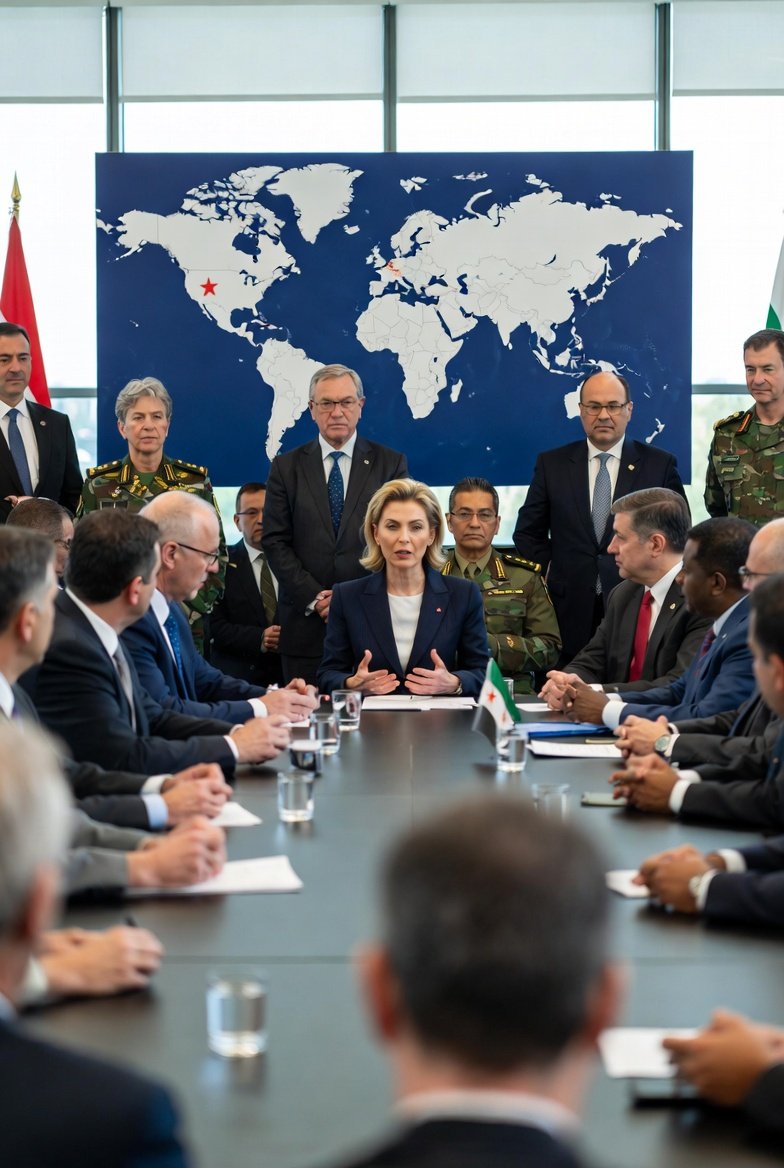
The Oval Office face-off marked al-Sharaa’s first Washington visit as Syria’s interim president, a whirlwind trip that blended olive branches with hardball negotiations. Trump, fresh off his 2024 reelection, hailed the meeting as a “huge win” for peace, touting al-Sharaa’s vow to sever Iranian supply lines and dismantle Hezbollah networks within Syria’s borders. In exchange, the US extended a 180-day sanctions waiver, allowing humanitarian aid and basic trade to flow, while formally delisting Syria from the terror sponsor list a move that could pave the way for full normalization if milestones like democratic reforms are met. Al-Sharaa, once blacklisted for his Nusra Front past, pitched his HTS faction’s evolution into a “pragmatic governance force,” emphasizing joint patrols against ISIS sleeper cells in the Euphrates Valley. This isn’t blind faith; US officials stressed verifiable actions, including intelligence sharing on ISIS finances funneled through Turkish proxies. The summit echoes Trump’s “America First” ethos, prioritizing rapid ISIS decapitation over endless entanglements, but whispers of a “grand bargain” with Riyadh and Ankara hint at broader Sunni axis realignments. For context on HTS’s makeover, link to our deep dive on Syria’s post-Assad power players.
Syria’s Coalition Commitment: A Game-Changer Against ISIS Revival?
Syria’s accession to the 88-nation Global Coalition to Defeat ISIS, announced hours after the summit, injects fresh momentum into a campaign that’s seen ISIS morph from caliphate to insurgent ghost. With over 2,000 foreign fighters still at large in Syrian deserts and a spate of 2025 bombings in Deir ez-Zor, al-Sharaa’s forces could provide invaluable ground intel for US drone strikes and special ops. Damascus has already hosted preliminary US military liaisons at a Damascus airbase, signaling operational buy-in, while pledging to extradite ISIS detainees from notorious prisons like al-Hol. Experts at the Soufan Center predict this could halve ISIS attack rates within a year, but pitfalls loom: al-Sharaa’s HTS remnants harbor Salafist leanings that might clash with coalition secular mandates. Trump’s inner circle, including envoy Steve Witkoff, framed it as “transactional terror busting,” with incentives like frozen asset releases tied to results. This alliance flips the script on a decade of proxy wars, potentially isolating Tehran and boosting Kurdish SDF partners, but human rights watchdogs urge scrutiny on al-Sharaa’s governance record. Explore more on ISIS’s sneaky comebacks in our 2025 terror threat forecast.
Geopolitical Tsunami: Iran Out, US In, and the Road to Reconstruction
Beyond ISIS, the deal targets Iran’s entrenched militias, with al-Sharaa committing to evict IRGC advisors from key highways a direct hit to Tehran’s “Shia Crescent” ambitions. Trump dangled reconstruction carrots, hinting at $10 billion in Gulf-funded aid funneled through US-vetted channels, contingent on minority protections for Alawites and Christians. Economically, sanctions relief could spike Syria’s GDP by 15% via oil exports, but implementation hinges on UN oversight to prevent graft. Regionally, this emboldens Israel’s quiet backchanneling with Damascus and eases Turkish incursions, fostering a tentative “Abraham Accords 2.0” vibe. Yet, Russian remnants in Tartus pose spoilers, and domestic HTS hardliners could torpedo the pact. As the Washington Institute notes, retaining some leverage via targeted sanctions ensures compliance without full embrace. This isn’t utopia; it’s high-wire realpolitik, but for a war-torn nation, it’s a lifeline laced with landmines. Backlink to powerhouse analyses like Al Jazeera’s live summit coverage or NYT’s insider summit recap for unfiltered depth.
Shocking turnaround! Syria’s President al-Sharaa seals deal with Trump to crush ISIS, waives sanctions, and joins global coalition – ditching Iran ties for US embrace. Unpack the White House drama, ISIS threats, and Middle East shake-up in our exclusive 2025 breakdown for geopolitics junkies.
Syria joins US-led coalition ISIS, Trump al-Sharaa meeting 2025, Syria sanctions lifted Trump, Ahmed al-Sharaa US visit, anti-ISIS alliance Syria, Middle East geopolitics Trump, Syria Iran influence reduction, global coalition defeat ISIS
Syria HTS leader Trump, US waives Syria sanctions, al-Sharaa White House summit, ISIS resurgence Syria 2025, Trump Middle East policy shift, Syrian realignment West, counterterrorism Syria US, post-Assad Syria alliances
Hashtags
#SyriaUSAlliance #TrumpAlSharaa #AntiISISCoalition #MiddleEastShift #SanctionsLifted #Geopolitics2025 #AhmedAlSharaa #TrumpForeignPolicy #ISISThreat #SyriaRealignment