4
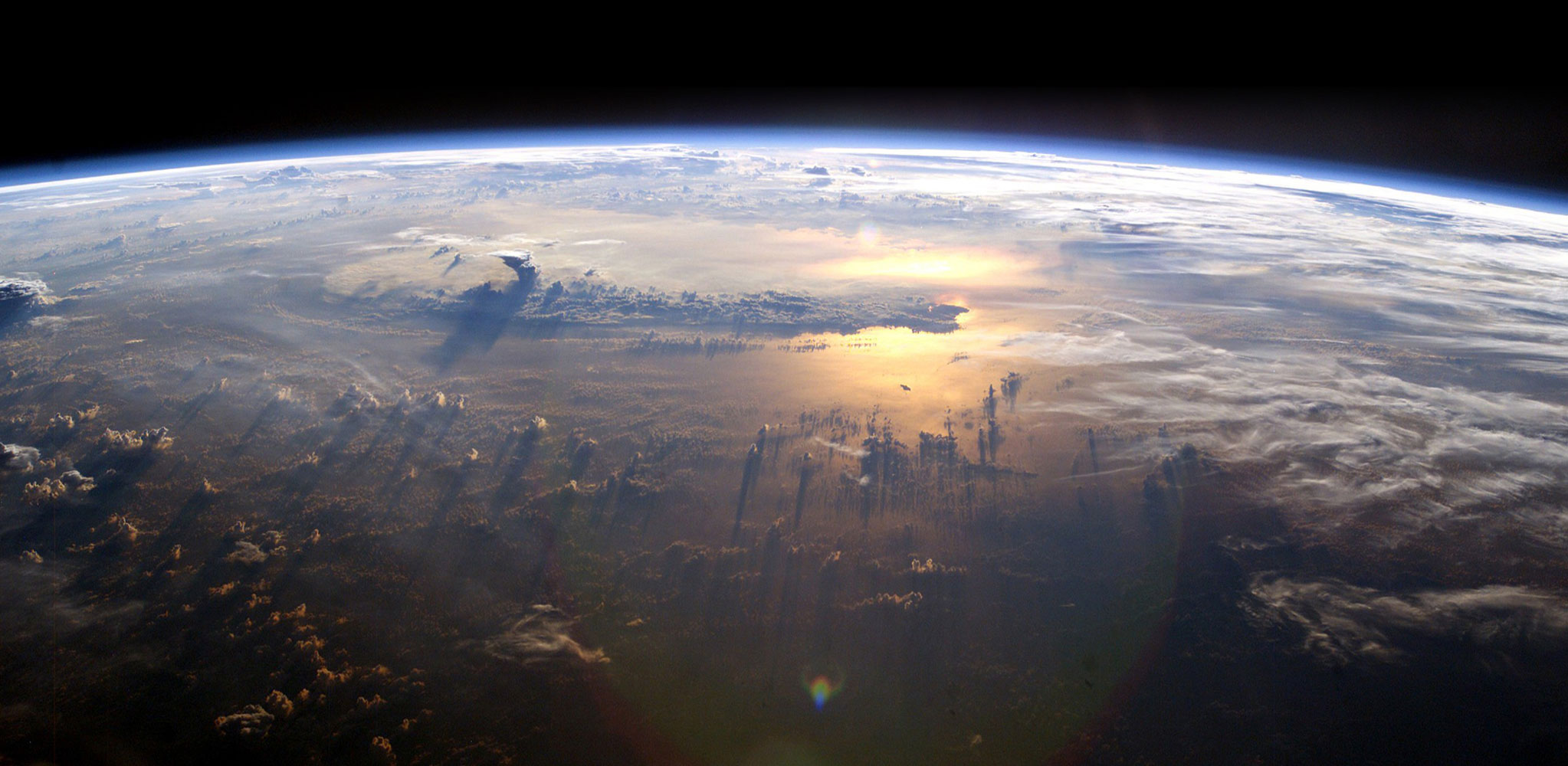
Imagine Aisha, a teacher in the Maldives, watching the sea creep closer to her school’s playground year by year. The cricket pitch she loved as a child now floods during high-tide nights. Meanwhile a scientist in the United States named Juan zooms in on satellite images collected by NASA and notices the same story unfolding—yet from space, thousands of kilometres above Earth. These two lives, oceans apart, are being connected by one truth: our planet is changing—and NASA’s eyes are watching it all.
NASA’s Earth science programme monitors land, ocean, ice and atmosphere using satellites and ground measurements. NASA Science+2NASA Science+2 The evidence is unambiguous: Earth’s average surface temperature is rising, ice is melting, sea levels are climbing—and human-driven greenhouse-gas emissions are the primary cause. NASA Science+2NASA Science+2
A Story From Space Into Everyday Life
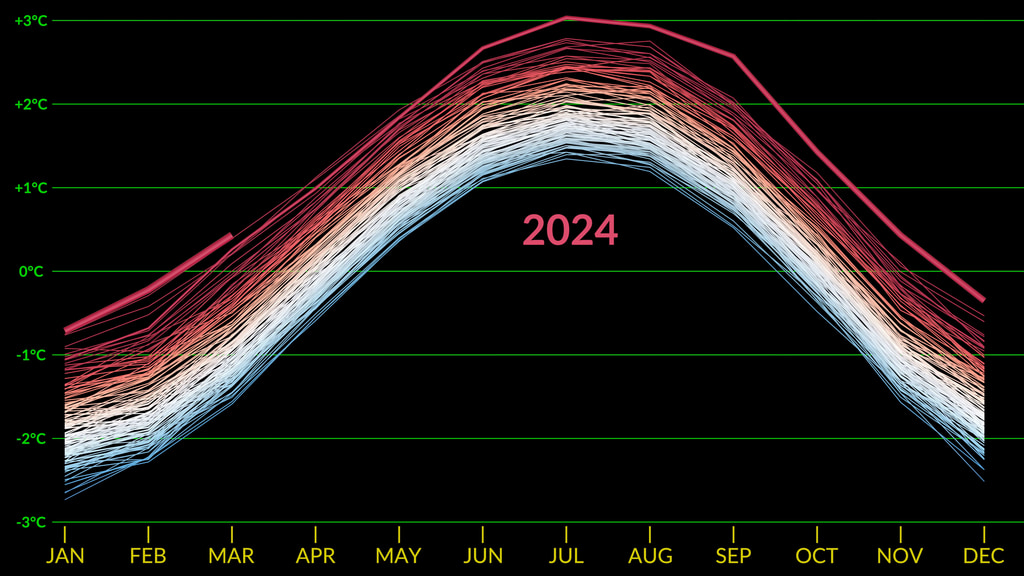
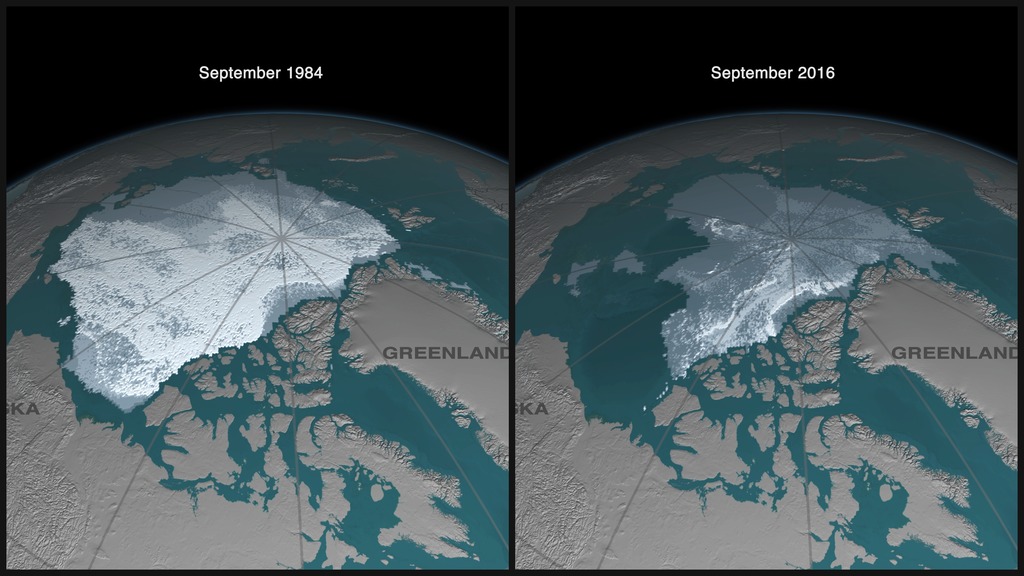
Aisha walks across her schoolyard early one morning and sees water pooling near the edge of the field-a subtle change from her childhood. At the same time NASA’s interactive “Climate Time Machine” shows how sea-ice in the Arctic has shrunk markedly since 1979. NASA Science+1 She doesn’t think of satellites-but she feels the change. Juan, reviewing NASA’s “Vital Signs of the Planet” graphs, sees that global temperature in 2024 was about 1.47 °C above the late 19th-century average. NASA Science He realises that what NASA sees from orbit is what people like Aisha experience on the ground.
Why NASA Matters in This Changing Story
- Global Perspective – From space, NASA watches the entire planet’s climate system: atmosphere, ocean, land, ice. NASA Science
- Data-Driven Truth – NASA’s evidence shows that warming is “unequivocal” and that the current rate of change is unprecedented in the last 10,000 years. NASA Science
- Accessible Insight – The “Vital Signs” dashboards, satellites like SWOT for water, and data visualisations make complex science available to educators, policy-makers and everyday citizens. Earth Observatory
The Human Bridge: From Satellite to Schoolyard
In the Maldives, the rising sea may seem distant-but it began with planetary changes that NASA’s instruments registered long ago: higher temperatures, more water entering the atmosphere, ice sheets that melt and add to sea‐level rise. In the Arctic the ice edge has steadily retreated, visible in before/after satellite photos. For Aisha, even a slight rise in sea level means salt-water creeping into her school ground, extra flooding days, and the need to adapt. For Juan analysing data, each fraction of a degree of rise is a warning.
What NASA Sees—and What It Means for Us
- Rising Temperatures: Earth’s surface has warmed by about 2 °F (≈1.1 °C) since the mid-19th century. NASA Science+1
- Shrinking Ice & Rising Seas: Arctic sea-ice minimums have dropped markedly, glaciers are retreating, sea-level rise is accelerating. NASA Science+1
- More Extreme Weather: NASA data show that warming amplifies droughts, floods, heatwaves and wildfires by altering the balance of energy and moisture in Earth’s systems. NASA Science+1
What You Can Do-Because the Story Is Yours Too
- Stay informed: Use NASA’s dashboards like “Vital Signs of the Planet” to see how indicators are changing.
- Tell the story: Share how climate change links space data to your local experience-people connect to human stories more than abstract graphs.
- Adapt locally: Recognise that what NASA measures globally also affects your school-yard, your neighbourhood, your budget.
Keywords & Hashtags
Keywords: NASA climate change, Earth observation satellite, global temperature rise, sea-level rise data, melting ice NASA, climate evidence NASA, Earth science mission NASA
Hashtags: #NASAClimate #EyesOnTheEarth #ClimateChangeData #GlobalWarmingEvidence #EarthObservation #OurChangingPlanet #SpaceToEarthStory
Explore how NASA’s next-gen satellites and Earth science programmes reveal the truth of climate change-from drifting schoolyards in island nations to melting ice at the poles-through human stories and data-driven visuals.
Suggested Backlinks
- Link to NASA’s “Climate Change: Evidence” page for credibility. NASA Science
- Link to NASA’s “Vital Signs – Global Temperature” page. NASA Science
- Link to NASA Earth Observatory for imagery and visualisations. Earth Observatory
If you like, I can draft a full article formatted for blog-SEO (with H1, H2 headings, compelling intro hook, image captions and click-boosting call-to-action) in both English & Hindi-ready to publish on your site. Would you like that?