6
In a dusty village near the foothills of Uganda’s highlands, Amina stands by the newly dug trenches winding through terraced fields. It’s early morning and the air still carries the chill of the night. For years her small farm would suffer every time heavy rains came-soil washed away, harvest ruined, hope shrinking. Then the local group introduced a nature-based solution: trenches plus vetiver grass to stabilize the land and capture water. The landslide risk dropped, the crops held up, and Amina began to breathe easier. This is not just an isolated moment. Across continents, communities are embracing nature-based solutions (NbS) that draw on ecosystems to adapt to and mitigate the upheaval of climate change.
What are Nature-Based Solutions and Why Do They Matter
Nature-based solutions are actions that work with nature-restoring, preserving or managing ecosystems—to address climate change, disasters, water security and biodiversity loss.
Research shows that when communities are involved in nature-based solutions the design becomes more innovative, the benefits more widespread and the ecosystem recovery stronger. Phys.org
Yet a study found that more than 60 % of such projects are concentrated in Europe, leaving many vulnerable communities elsewhere still missing out on the potential of NbS. ScienceDaily+1
The Human Stories Behind the Strategies
1. Uganda – land stabilization with trenching & grass
In Uganda’s Queen Elizabeth National Park region a community group introduced trenches and planting of vetiver grass to slow water flow, reduce landslides and improve soil-moisture retention in highland farms. People Daily Farmers like Amina now say that where before they feared heavy rains, now they trust the land a little more. It created not only protection but a new kind of pride and participation.
2. Urban communities in Asia – greening the city for resilience
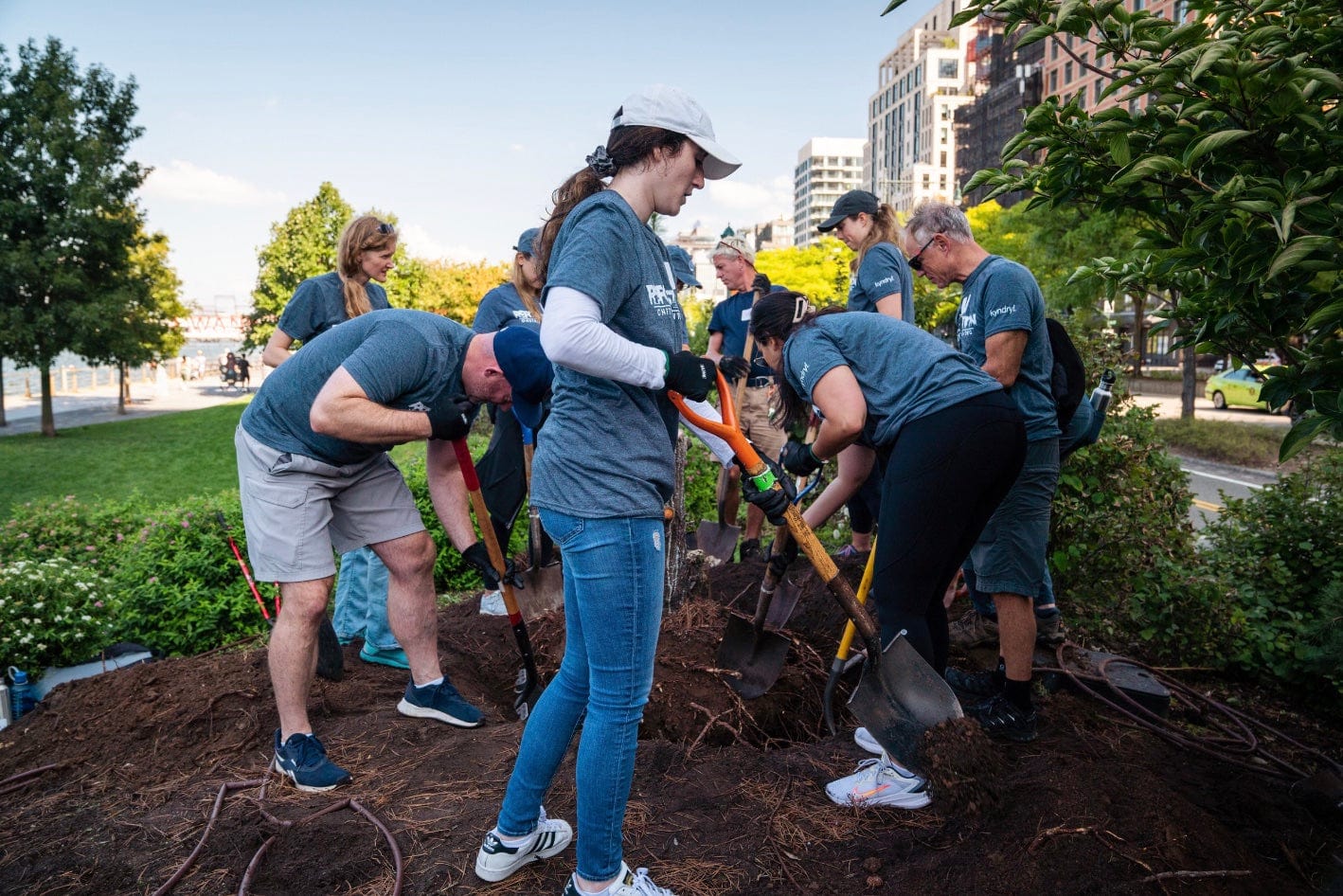
In cities in Pakistan, Bangladesh and the Philippines poor urban communities worked with partner agencies to build green-spaces, parks, tree-planting and water-management systems as part of urban nature-based resilience projects. Development Asia Here the story is of mothers, children and elders who reclaimed neighbourhood open spaces; from places that used to flood or heat up unbearably, to parks that cool the area, absorb rainfall and provide a sense of community.
3. Remote mountain region – traditional water-ice reservoirs
In the high-altitude region of Ladakh (India) communities revived old techniques of ice-reservoirs and small water capture systems rooted in tradition and adapted to climate change. Researchers found that when locals lead the innovation, these systems are more accepted and maintained. MDPI The story here is of an elder showing his grandchildren how an old stone channel directs winter melt into a storage pond-so that summer drought comes with less fear.
What Works – Key Ingredients of Success
- Genuine community participation: Projects succeed when the people who live with the land are part of the conversation, design and upkeep.
- Local ecology plus social context: Nature-based solutions must align with local ecosystem, culture, livelihoods-not imported “one-size” models.
- Policy and funding linkage: The majority of successful NbS projects had anchor policy or institutional support behind them. Phys.org+1
- Long-term maintenance and learning: Ecosystems evolve. Communities must adapt the system, monitor, learn and adjust.
- Co-benefits for people and nature: Beyond just climate defense, NbS deliver health, biodiversity, recreation, jobs.
Scaling Up – How Many Countries Can Make the Shift
If you were a community leader, local NGO or government in many countries wanting to adopt nature-based solutions, here’s a roadmap inspired by real stories:
- Map the vulnerabilities: Where are the climate risks (floods, drought, landslides) and what ecosystems could help?
- Identify community champions: Elders, women groups, youth organisations who know the land and people.
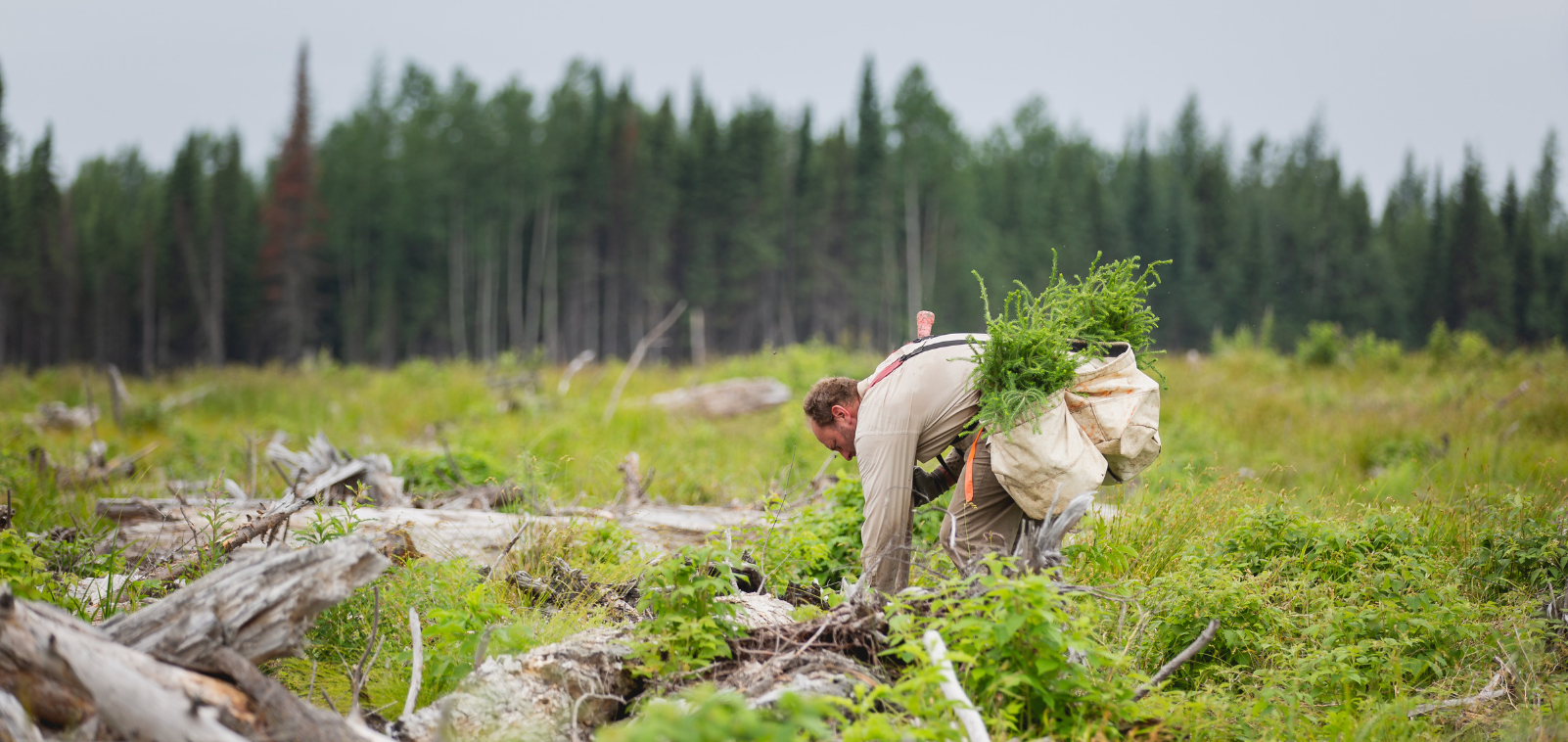
- Choose nature-based interventions suited to local ecology: e.g., mangrove planting for coast, trenching + grass for hills, urban greening for cities.
- Connect to Policy & Funding: Ensure that local regulation, incentives and finance are aligned so the solution is sustainable.
- Embed Monitoring & Learning: Collect simple data (soil-moisture, crop yield, flood events), let the community see results.
- Celebrate & share the story: As we’ve seen, the human story matters-when people see their neighbours succeed, adoption grows.
The Bigger Picture – Why It Matters for Our Future
Climate change is not only about melting ice-caps and distant storms-it is about communities on the front lines: farmers, city-dwellers, indigenous peoples. Nature-based solutions give those communities agency: the ability to work with nature rather than only being overwhelmed by it. When Amina’s field holds together under heavy rain, when a neighbourhood park absorbs storm-runoff instead of flooding homes, when ancient water-channels keep mountain crops alive-then we see how collective local action tied to nature can build resilience.
We still face large gaps: many vulnerable communities, especially outside Europe, are not yet benefitting from NbS. ScienceDaily The invitation is open: more countries can adopt, adapt and scale these solutions-and each community story matters.
Keywords & Hashtags
Keywords: nature-based solutions, community climate resilience, ecosystem restoration, community-led adaptation, NbS climate change, local adaptation strategies, green infrastructure community, sustainable ecosystems climate change
Hashtags: #NatureBasedSolutions #CommunityClimateAction #EcosystemRestoration #ClimateResilience #GreenInfrastructure #LocalAdaptation #SustainableCommunities
Meta Description
Discover how communities around the world are using nature-based solutions-like trenching and vetiver grass in Uganda, urban greening in Asia and mountain water-capture in India-to build climate resilience and restore ecosystems, through inspiring human stories and research-backed insights.